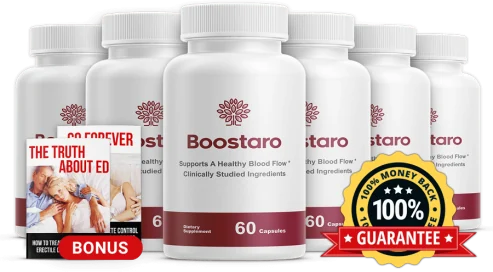
All 7 Ingredients, Explained
Two disclosed, five undisclosed — here's the honest math on what that actually means.
Seven ingredients total. Two with real numbers, five without. Here's the honest breakdown of each, and what the dose-transparency gap actually means in practice.
Vitamin C — 500mg, disclosed
Listed as ascorbic acid, a well-established, checkable dose relevant to general antioxidant activity and collagen support in vascular tissue.
Vitamin K — 100mcg, disclosed
Listed as menaquinone. This is the ingredient most worth flagging directly if you take warfarin or other vitamin-K-antagonist medication.
The 725mg blend: doing the math
Five ingredients share this combined weight: L-Citrulline, L-Lysine HCL, Pine Bark Extract, Magnesium Citrate and Nattokinase. If evenly split, that's roughly 145mg each — but blends are rarely split evenly, and the label gives no way to know the real breakdown.
Why L-Citrulline is the biggest question mark
Human research on standalone L-Citrulline commonly uses gram-level (1,000mg+) daily doses. Even if L-Citrulline took the largest single share of Boostaro's 725mg blend, it would still fall well short of what many studies actually tested.
Why 'Pine Bark Extract' isn't automatically Pycnogenol
Pycnogenol is a specific, patented, branded pine bark extract with its own dedicated research base. A label saying “pine bark extract” supports generic pine bark presence, not that specific branded identity, unless stated explicitly.
Why Nattokinase's weight doesn't tell you its strength
Nattokinase is typically measured by fibrinolytic units (FU), not just milligrams. A weight-only disclosure, with no FU activity stated, doesn't let you compare potency against research using standardized units.
How this connects to the bigger picture
See the honest, full assessment in our honest review.